We Assist you in Achieving Machine Safety Compliance
Compliance means that our Machines are Safe and that we have met our legal obligations under New Zealand law. Achieving this means your people are protected and that all obligations have been fulfilled.
Our Machine Safety Services
We work with Production Managers, Plant Managers, Asset Managers, Owners, Plant Directors, and Plant Supervisors to answer their questions about the safety and compliance of their machines.
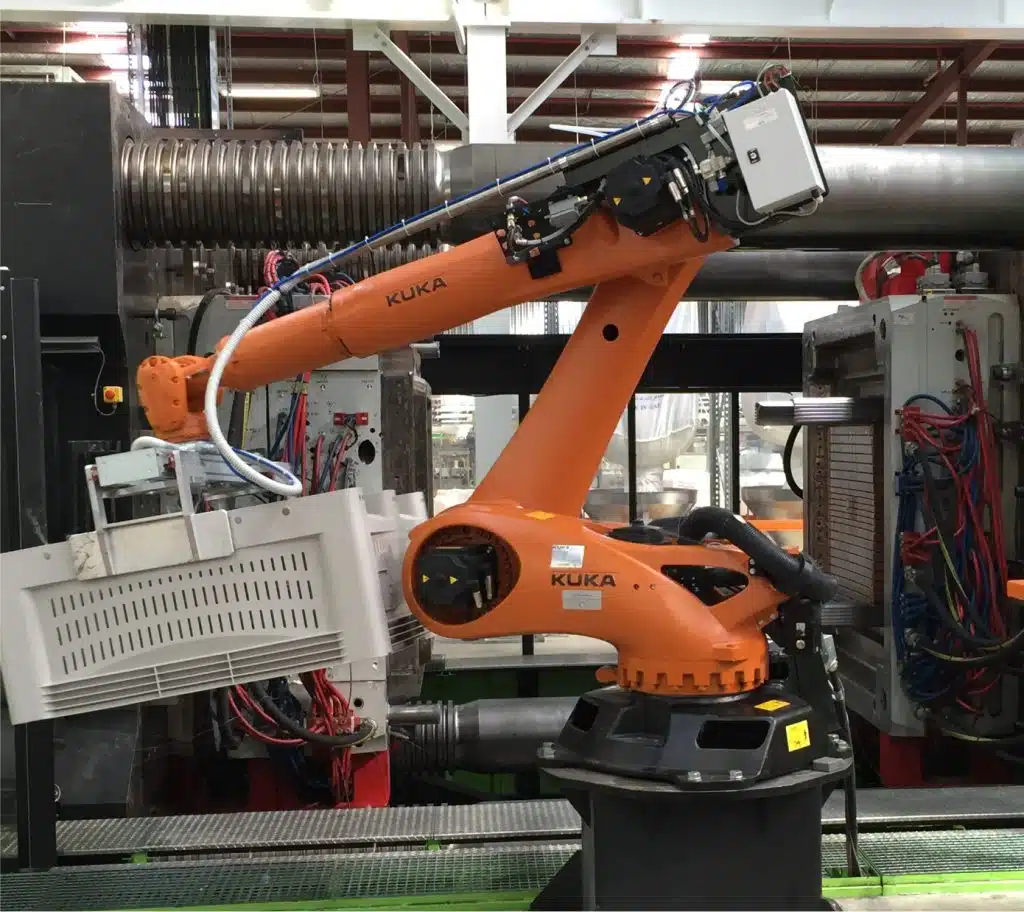
We can help you find out if your machine is compliant
- By evaluating the machine’s overall safety design and logic
- Identifying high-risk operator tasks in daily use
- Checking that dangerous moving parts are properly guarded to relevant standards
- Assessing safety-critical electrical components and their Performance Level ratings
- Reviewing hydraulic and pneumatic systems for compliance with safety standards
- Considering whether your imported machines meet New Zealand safety expectations
The Machine Safety Solution
We design our safety solutions using the three-step method outlined in AS/NZS 4024.1201, alongside the Hierarchy of Control Measures from the Health and Safety at Work Regulations (2016). We take pride in delivering solutions that meet the key requirements outlined below.
Compliant Machines
Achieving a compliant machine is a requirement in any of our Machine Safety projects. We take this very seriously and follow the current industry standards and all required legal processes when working on any Machine Safety project.
Cost
One or multiple designs may be proposed, in the detailed design phase costs will be specified. This is so the client can procced in making the necessary decisions on how to adequately reduce risk following the process set out in the Health and Safety at Work Act 2015.
Successful Installation
We bring our teams knowledge, experience, and capabilities to any Machine Safety project we work on, giving us confidence in achieving a successful installation of any system we design.
Usability of Machines
Usability must not be compromised when implementing safety measures, as required by both clients and AS/NZS 4024.1201. We ensure this by understanding how operators use the machine through site visits and client documentation, and incorporating these insights into the design stage.
Minimised Downtime
Minimizing this downtime as much as possible is taken into consideration during the design phrase. For example, this may include decisions about the number of installation personnel used or whether to prebuild part of the design off site.
Timely Delivery
We prioritise timely delivery, coordinating closely with our clients and maintaining clear communication to ensure our Machine Safety solutions are completed on schedule with minimal disruption.
The Three Step Method for Risk Reduction
Below is an explanation of the three-step method we use to adequately reduce risk when working on a machine safety project. It can be found in the New Zealand Standard AS/NZS 4024.1201:2014.
Inherently Safe Design Measures
The first step is to eliminate hazards where possible or otherwise reduce risk by redesigning the machine – for example, automating manual tasks or lowering forces, pressures, or weights to limit exposure.
Safeguarding and/or Complementary Protective Measures
The second step involves designing safeguards when hazards cannot be fully eliminated or risks sufficiently reduced. These may include fixed or interlocking guards, light curtains, hold-to-run controls, and other measures, complemented by emergency stops and escape/rescue provisions..
Creating Information for Use
The third step addresses residual risks that remain after design, safeguarding, and protective measures, by providing guidance in operating procedures, safe work practices, and recommended personal protective equipment.
Pilz Safety System Integrators
Our machine safety engineers are CMSE®-certified engineers (TÜV NORD), recognised as expert machinery safety professionals. We are also official Pilz system integrators, combining certified expertise with trusted safety technology to deliver reliable, compliant solutions.
Find Out More
Reach out to the team to see if we can help your machines become compliant. Flick us a message or give us a call.